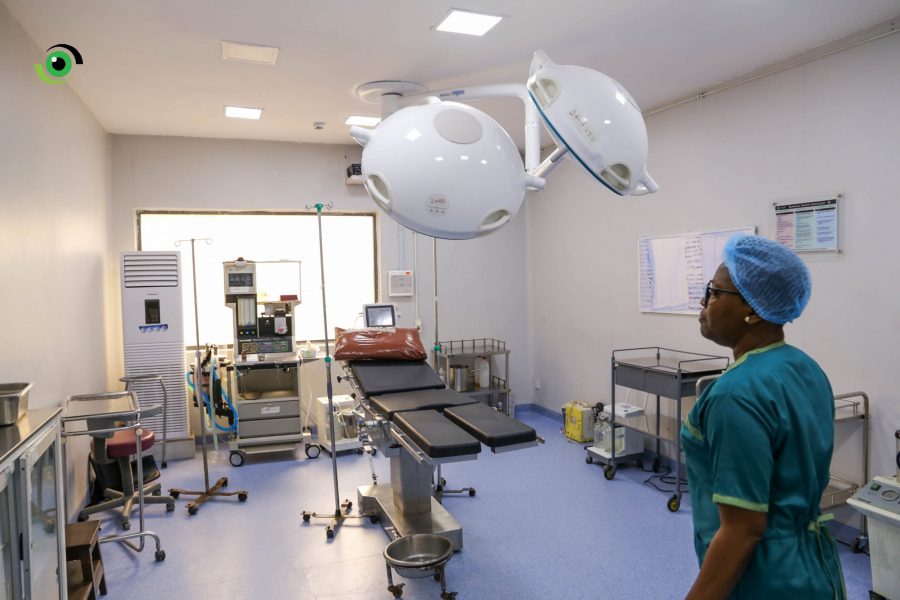
Optimization of medicine stock levels across Nigeria's hospital network
In 2015, Nigeria’s public health supply chains for HIV, TB, Malaria, Vaccines, and Reproductive Health were highly fragmented, with parallel data systems, delivery mechanisms, and weak coordination at state and LGA levels. Logistics Management Coordination Units (LMCUs) existed in policy but not in practice.
Industry
Global Health - System strengthening
Client
The Global Fund to Fight AIDS, Tuberculosis and Malaria
Project
Nigeria Supply Chain Integration Project
Services
Program management
Year
2017-2020
Role
I was approached to lead Lot III of the ambitious Nigeria Supply Chain Integration Project (NSCIP), a Capacity Building Services contract funded by the Global Fund to fight hiv/aids tuberculosis and malaria with a country-wide scope (37 states). I led a consortium of four partners with 108 people staff and a budget of 12 million dollars, to provide supply chain integration services to the Federal Ministry of Health in Nigeria.
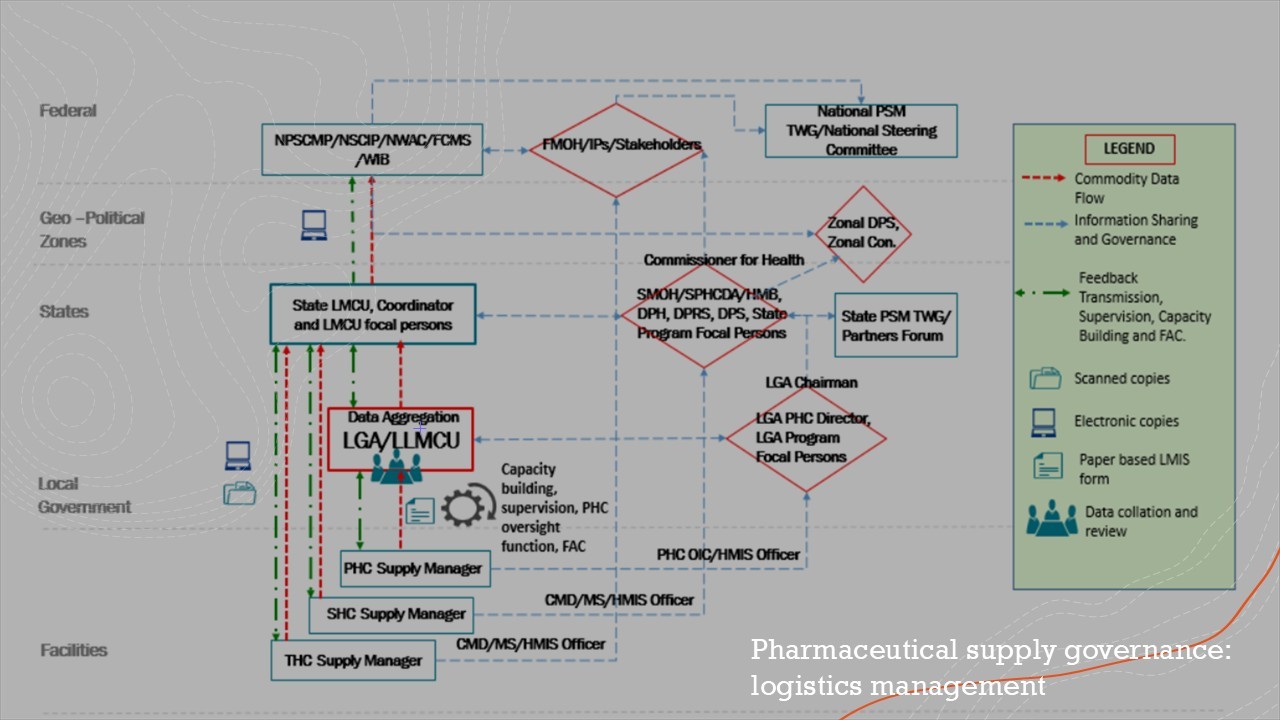
To operationalize LMCUs nationwide as institutional coordination mechanisms, integrate supply chain data and planning across vertical programs, and establish a government-owned national Logistics Management Information System (LMIS) that ensures end-to-end visibility of quality data.
Approach
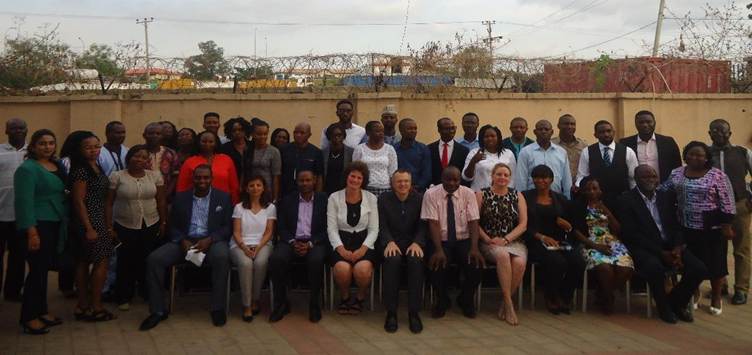
Country-led implementation with strong federal leadership; clear deliverables; intensive stakeholder engagement; rapid development and scale-up of SOPs, tools, and training; deployment of state-level change agents; continuous monitoring of institutional maturity; and proactive management of change and resistance.
Results
Within three years,
LMCUs were established and operational across Nigeria’s states, 774 LGAs and 40.000 hospitals and health facilities, impacting the lives of over 200 million people;
A national LMIS is now functioning within the Ministry of Health, consolidating logistics data across multiple health programmes
Providing a sustainable foundation for integrated, data-driven supply chain management.