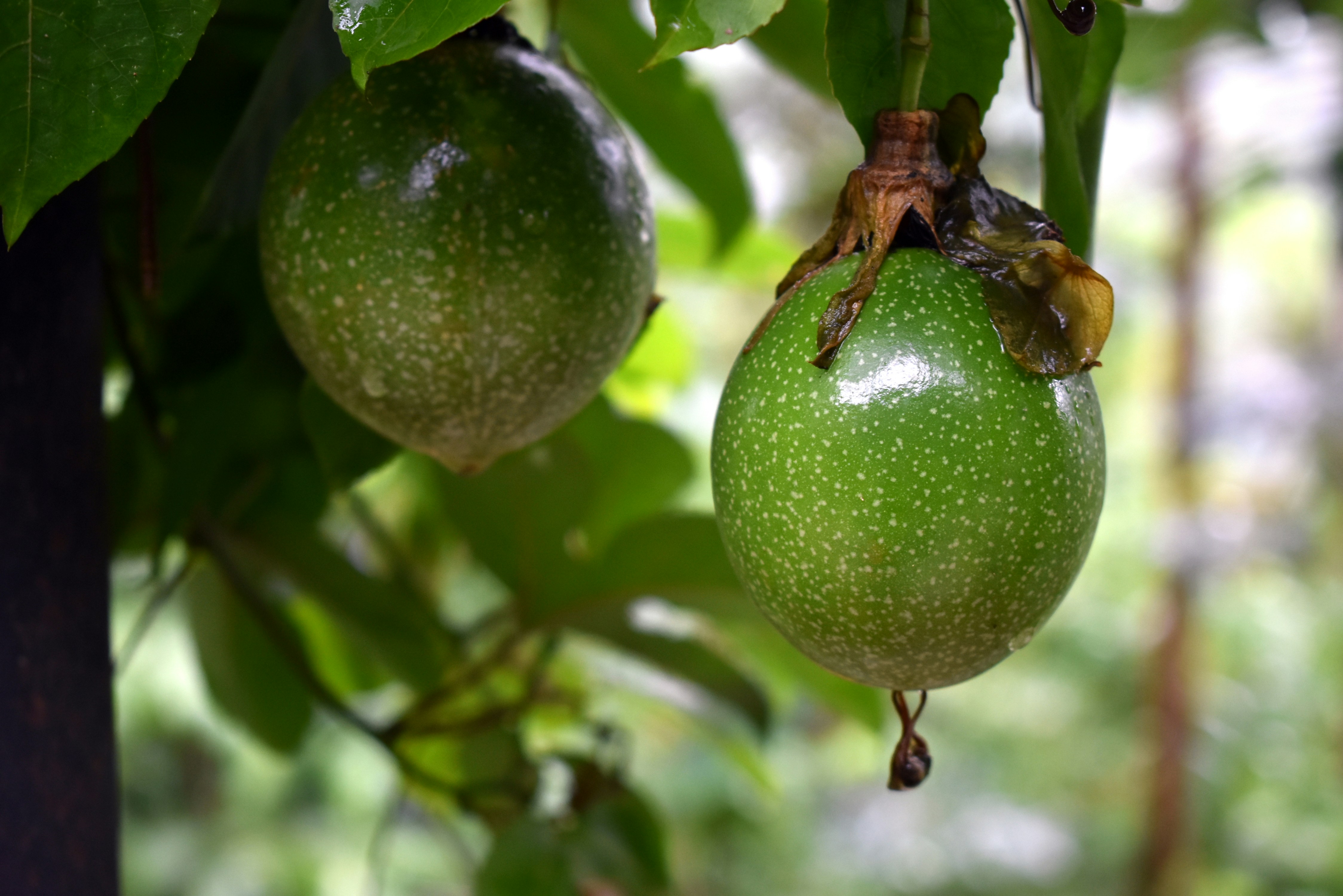
Development of a Demand Driven Passion Fruit Value Chain for formal European and local markets
Between 2013 and 2015, smallholder farmers in northern Tanzania were not organised, had no experience producing passion fruit, and had no access to high-value markets. Regional fruit and vegetable exports to the EU existed, but volumes, quality, organisation, and sustainability were insufficient to meet market requirements. There was a clear opportunity to build an inclusive value chain linking smallholders to both local and European markets.
Industry
Agriculture
Client
Directorate General for Development Cooperation and Humanitarian Aid - Federal Government of Belgium/ Initiative Sustaibale Trade - The Netherlands
Project
Sustainability Initiative Fruit and Vegetables (SIFAV)
Services
Designing and implementing an inclusive, market-led value chain linking smallholder farmers to regional and EU markets through public–private partnerships and buyer-driven production systems.
Year
2013-2015
To develop a sustainable, demand-driven value chain for passion fruit (and later snow peas and avocados), linking previously unorganised smallholder farmers in Tanzania and Kenya to lucrative local and EU markets through structured partnerships with European retailers, importers, and regional exporters.
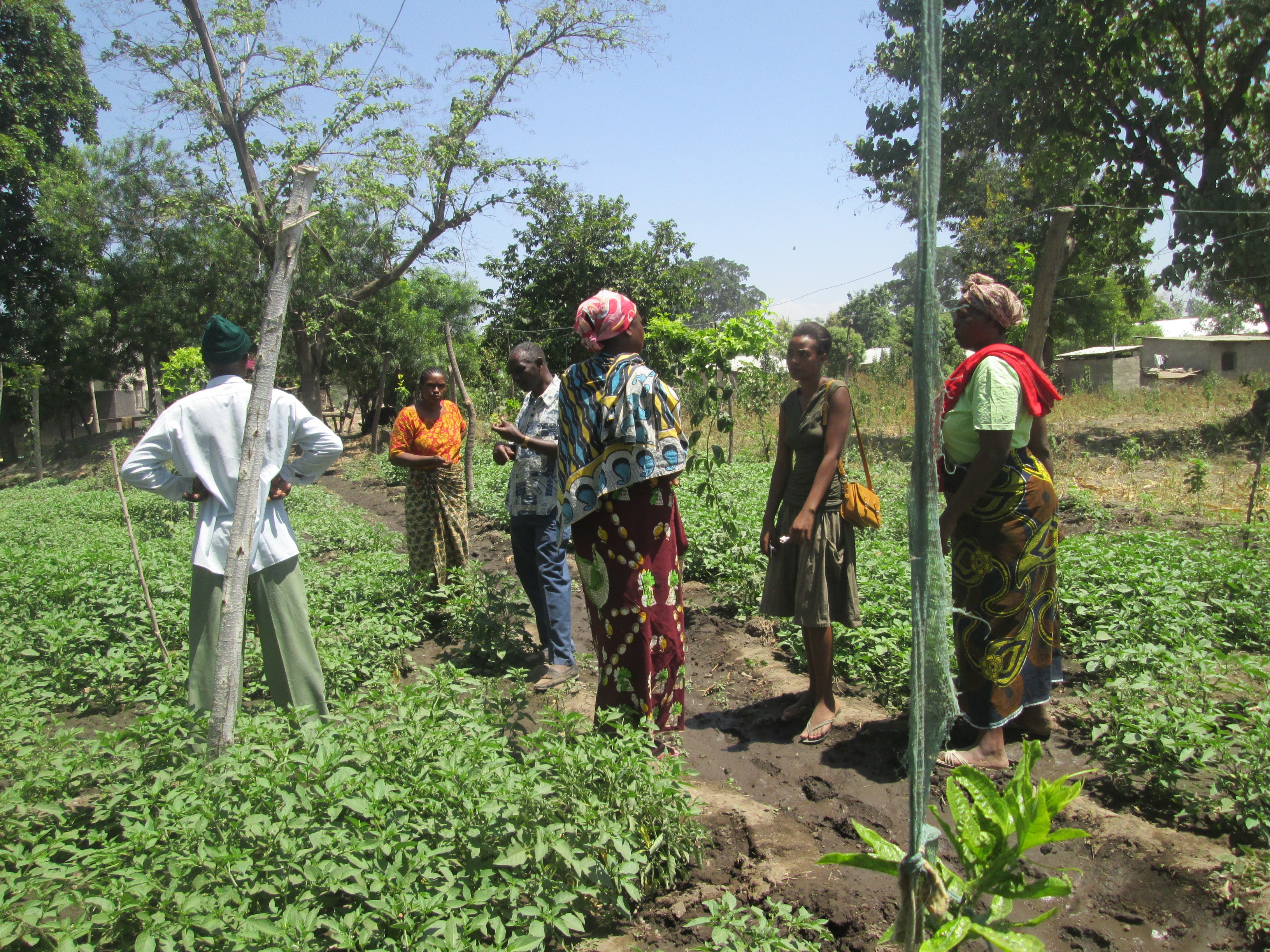
On behalf of Rikolto International, I led the intervention implemented as a Public–Private Partnership co-funded by the Sustainable Initiative for Fruit and Vegetables 2020 (SIFAV). Key success factors included strong market pull from EU buyers (Colruyt and Special Fruit); close collaboration with regional exporters (Wamu and Serengeti Fresh); phased strengthening of farmer organisations (1st, 2nd, and 3rd tier); demand-driven production planning; continuous quality upgrading; and joint innovation on logistics, packaging, and freight solutions. The consortium applied a coordinated approach to planning, implementation, monitoring, and learning, with leadership at regional level.
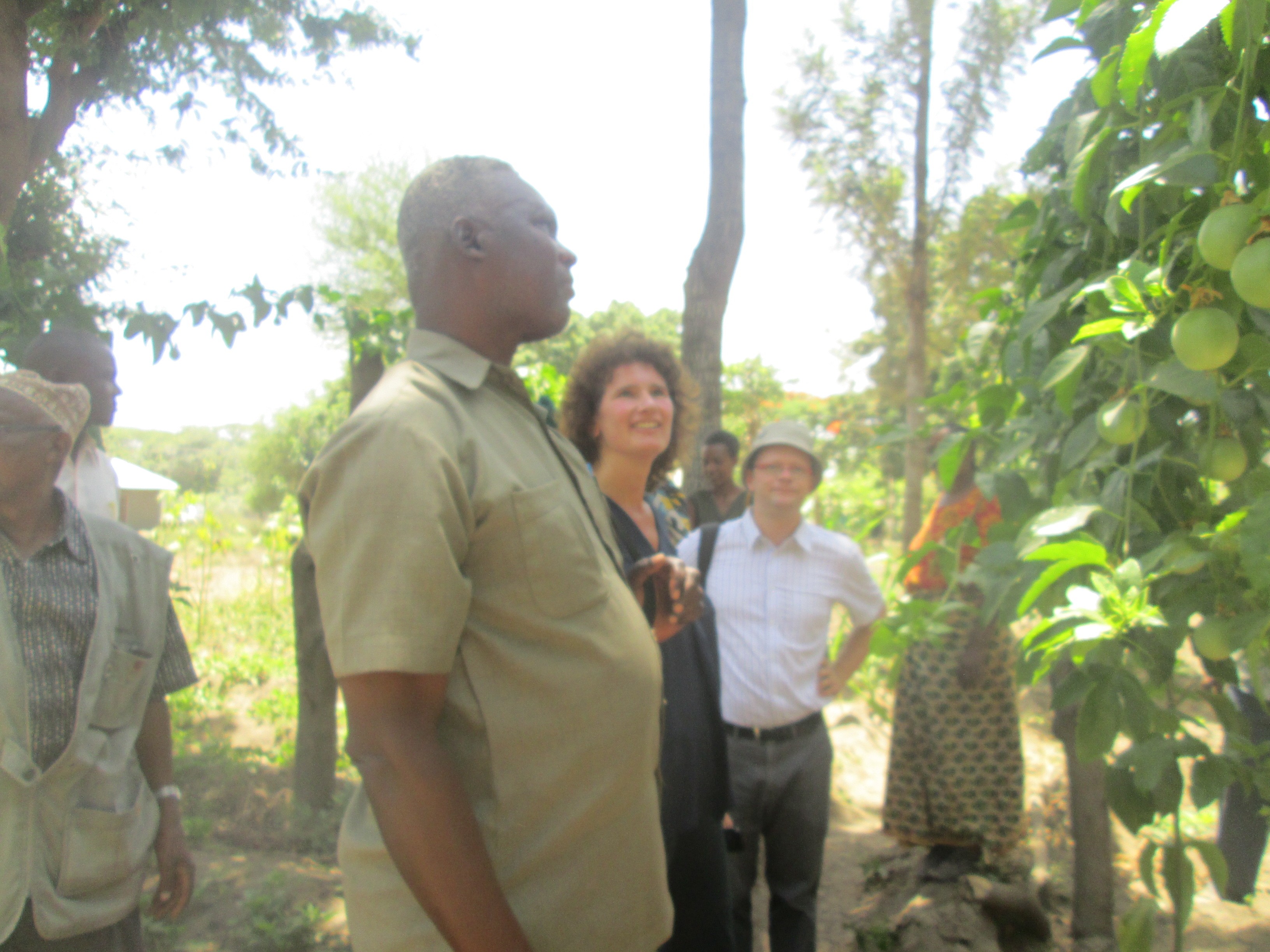
A fully functioning and inclusive supply chain was established, enabling smallholder farmers to successfully produce and market passion fruit for the first time. Farmers gained access to stable and profitable local markets (notably the hospitality sector in Arusha) as well as EU markets. Tangible improvements were achieved in farm-level socio-economic conditions, market sustainability, and sector collaboration. The project also generated practical innovations, including sea freight trials for passion fruit exports from East Africa to Europe, reducing costs and environmental impact, with knowledge documented and shared for sector-wide uptake.